


The gaps peak season always exposes
By the end of July, most wedding venues can tell you exactly where their operation is taking strain. Surprisingly, it’s not the actual events. It’s everything around them: the enquiries still waiting for a reply, supplier updates in someone’s inbox, a room booking move recorded on a piece of paper, or an extra agreed on Whatsapp but not yet added to the invoice.
Having run events myself, I now see the same patterns across the venues we work with at Hostology. Peak wedding season isn’t responsible for these gaps. What it does do is take away the spare time that normally hides them.
Key takeaways
Your team is capable, but manual admin makes them less efficient.
Peak season gives you the clearest operational audit you will get all year.
It exposes where and how much time and money is wasted.
Learn how tech like Hostology brings your enquiries, event planning, accommodation, guest payments, documents, and schedules into one connected place.
See how Llantilio House and its team of three, grew from seven events to 58 per year.
Skip ahead: Show me how to simplify my venue and events management
What operational gaps do wedding venues face in peak season?
Wedding venues usually feel operational strain where information, responsibility, and money move between people and systems. That’s when important things start to slip through the gaps.
Common gaps include
Duplicate data entry
Missed updates
Outdated documents
Slow payment follow-ups
Chargeable extras being missed
Accommodation records sitting apart from the event
The result is more time spent checking and chasing, just when the team has the least time to spare. The point in July is to notice which simple jobs keep pulling your team away from the hosts, suppliers, and events in front of them.
What July feels like inside a wedding venue
Peak wedding season is a wild ride. The day can change before the first job on the list is finished. A new enquiry arrives. A couple moves a guest to another room. A supplier sends a revised schedule. A payment needs checking before the next site walk.
None of these jobs are difficult on their own. The drag comes from finding the right information, deciding which version is current, and making sure the change reaches everyone. When details are scattered like (dare I say) confetti across multiple inboxes, spreadsheets, calendars, and payment records, even a two-minute task can interrupt half the team.
What I see each summer is not a team that cannot cope. It is a capable team carrying more invisible admin than it should.
The event still lands, thankfully, and the guests rarely see what happened behind the scenes. But your team feels it. That is why the balance between smart tools and the human touch is essential.
Peak season does not create the gaps, it exposes them
During a quieter month, a patchwork of systems can hold together. Someone has time to copy a change into another spreadsheet, forward the latest document, or ask whether a balance has arrived. In July, those spare minutes disappear.
The weak point is usually the join between one part of the event and the next.
Every handover that relies on somebody re-entering or relaying information creates another chance for delay or error. The venues that feel most in control can see what has changed, what is outstanding, and what happens next without reconstructing the story from several places. Peak season shows you where that is not yet true.
Explore: Smarter Enquiry Handling with AI
Where time leaks out 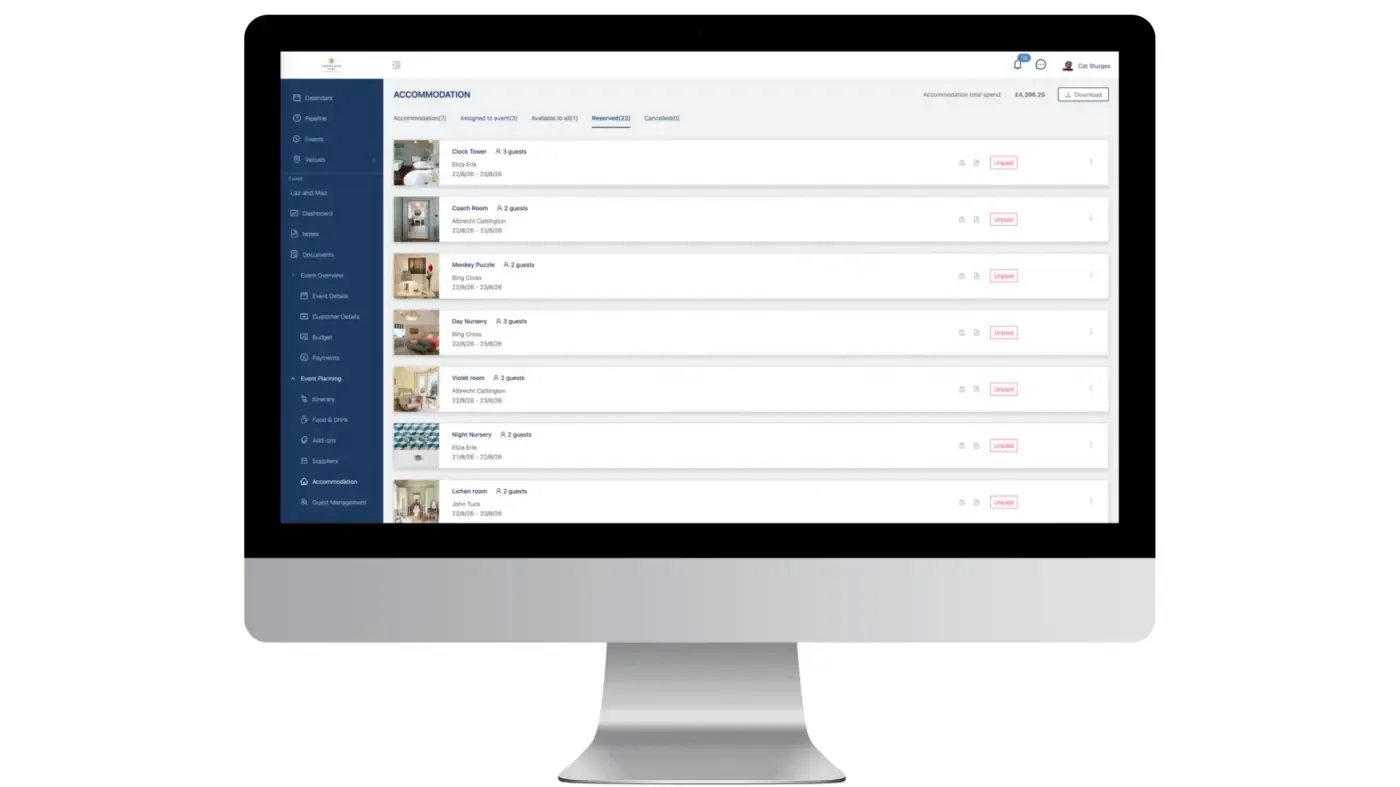
The biggest time leaks are the small jobs that break your concentration. An event manager stops planning to answer an accommodation query, opens a payment record, checks a supplier note, and then has to find their place again. Across a stacked diary, experienced people spend too much of the day acting as the link between disconnected records.
Accommodation makes the pattern especially visible. Hostology’s Accommodation Management removes last-minute panic, and cuts down your daily admin. Easily see who’s staying where, which rooms are available, and who still needs to confirm.
Where money is lost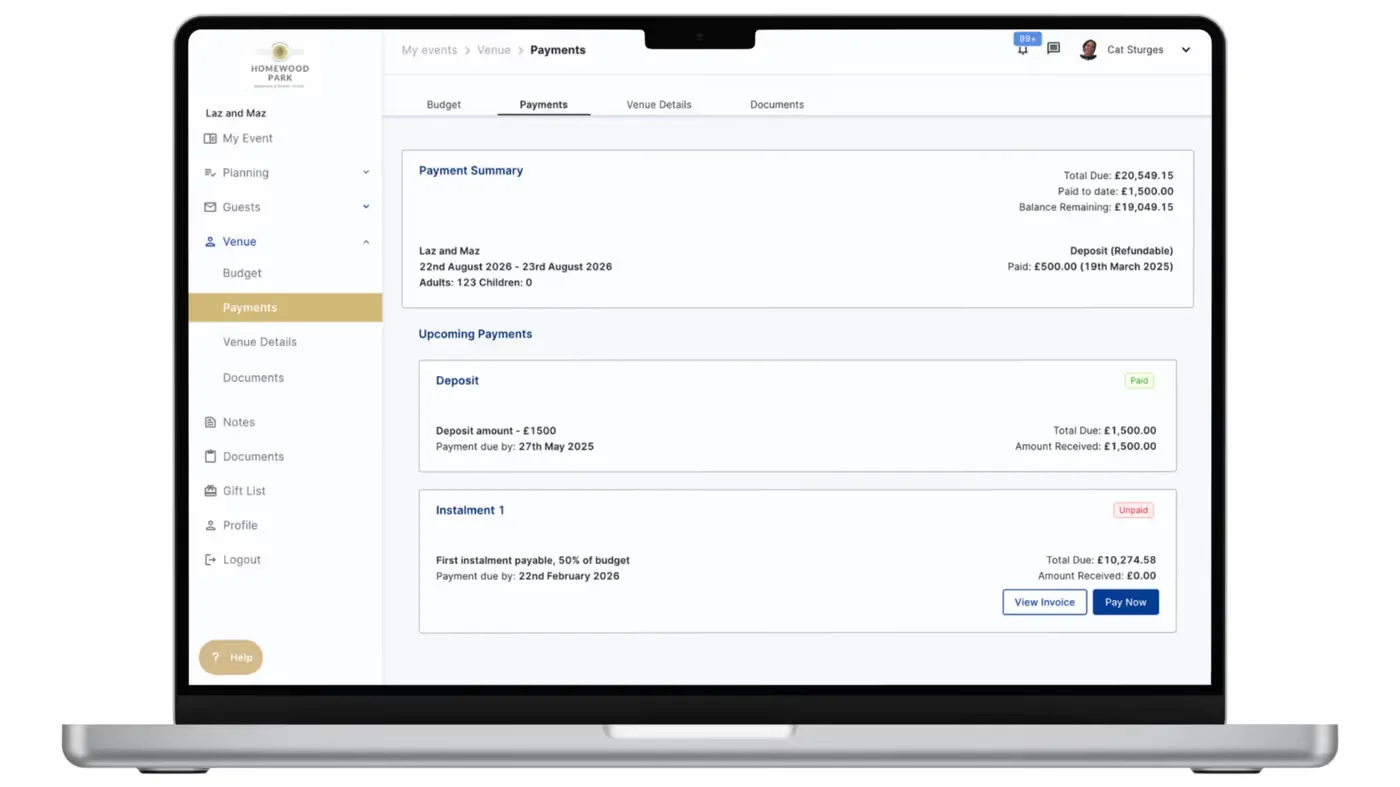
In my experience, money tends to leak through ordinary-looking admin. Maybe for you, its accommodation income you missed because the booking, payment records, and event account are all over the place.
Then there’s the hidden cost of skilled staff who have to spend hours to reconcile information that should already line up.
That time could have gone into profitable tasks. Answering an enquiry, closing a deal, improving an event plan, helping a couple make a decision, or supporting the team on site.
Less admin protects cash flow and gives the team more room for the personal service the venue is known for. That is the work their experience and judgement are needed for.
How Llantilio House peaks in peak season
The story of how Llantilio House scaled from 7 to 58 events with the same team of three shows what the best event management software can do for venues.
Lottie and George Ingledew of Lliantilio House joined Hostology in 2023, when the venue was running seven events a year. It now runs around 58, while the core full-time team remains at three. They introduced repeatable processes gradually, rather than trying to change everything at once.
Accommodation was an early priority. Llantilio House has nine bedrooms across three properties, a cottage, six yurts, glamping, and campervan pitches. Through Hostology, couples can allocate rooms, guests can book and pay online, and the team can manage accommodation, room bookings, and guest payments in one place alongside the event.
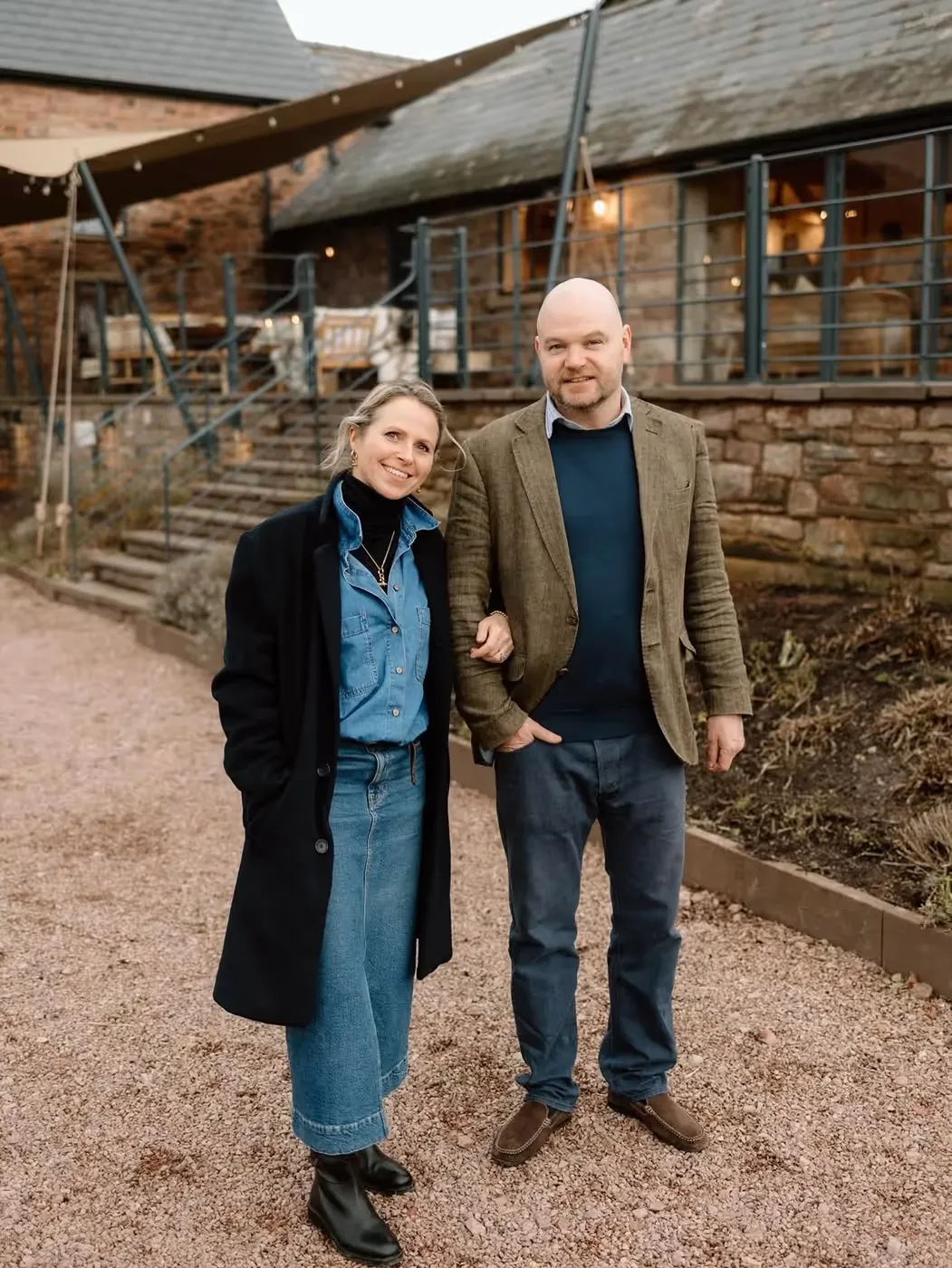
“The more we use Hostology, the more we find it can be the hub for everything. That dramatically simplifies our lives and, particularly, the lives of the couples planning their wedding with us.”
- George Ingledew, Co-founder, Llantilio House
The venue is preparing to bring catering in-house from 2027. As the operation becomes more complex, the team is targeting a saving of two to three administrative days a month by automating more of its invoicing, deposits, and payment processes. Its growth shows what reliable information and repeatable processes can give a small team: the confidence and capacity to handle more without losing the personal touch.
Explore more case studies here.
What to do with the summer that is left
For now, let’s get through peak wedding season. Notice what pulls you away to chase, check, copy, or correct. Watch for questions that require several systems to answer, updates that only reach part of the team, and jobs that always land with the same person.
Those moments are your brief for the autumn. They show where the operation needs a clearer workflow and one reliable place for the event information that hosts, guests, suppliers, and your team all contribute.
You do not need to solve every gap while the diary is full. You do need to remember what peak season has shown you, so the same pressure points are not still there next summer.
No one is switching systems in the middle of July. Our current offer is designed around that reality: Book a walkthrough now, get Hostology set up as the diary begins to loosen, and start paying in September.